Approaching a literature review

You are a Masters or a PhD student and you need to carry out a comprehensive literature review at the beginning of your research work to identify gaps in your field of interest. This may seem like a mountain-load of work, and to be honest, it is. So, how do you go about it?
Here is a step-by-step approach that can help you tackle your literature review effectively:
1. Define your keywords
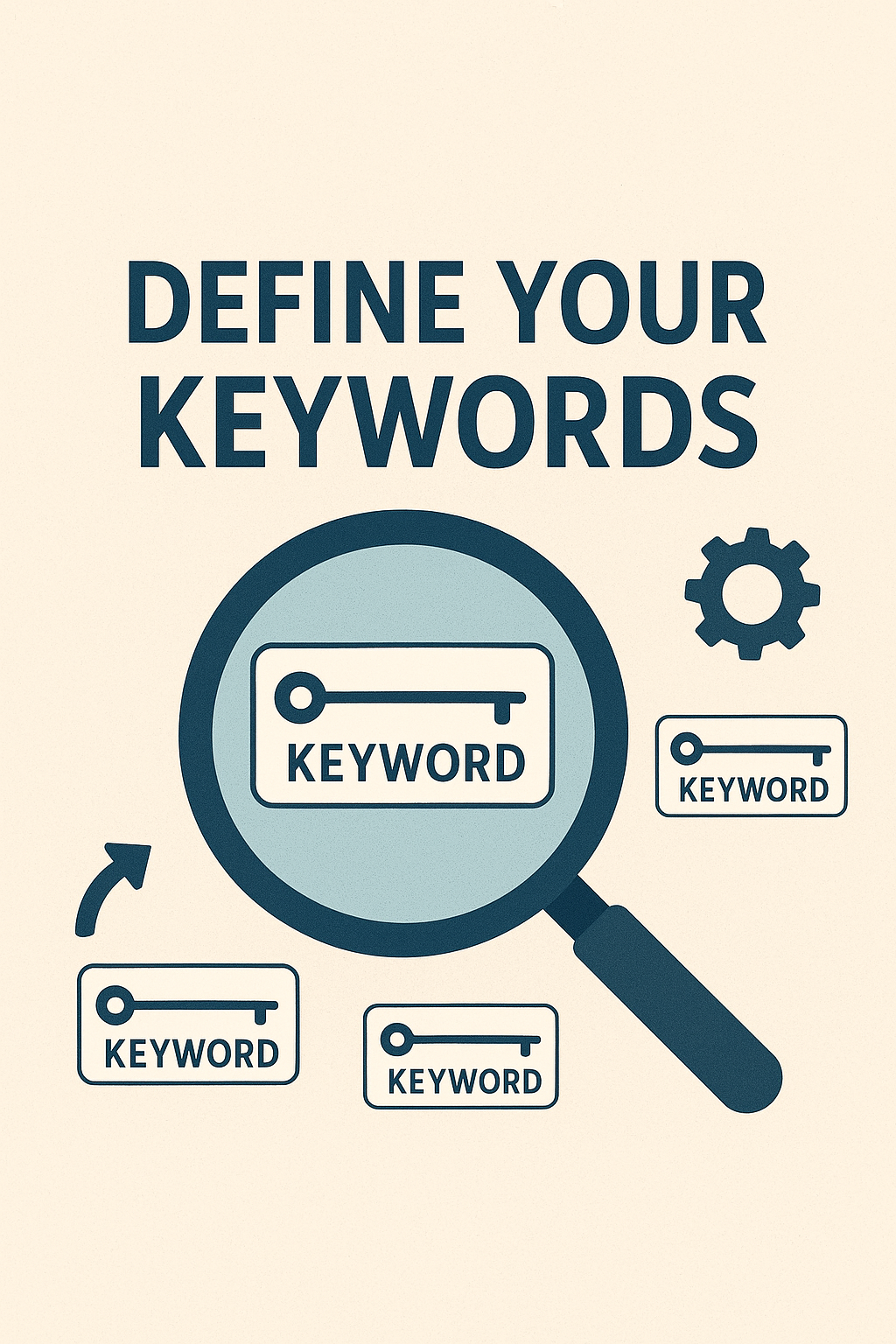
First, make a list of keywords that are relevant to your topic and which you can use to search for suitable references. Ensure that this list is specific and does not contain keywords that may lead you off-topic. Also, note down combinations of keywords that might give you best results when used together.
2. Select databases
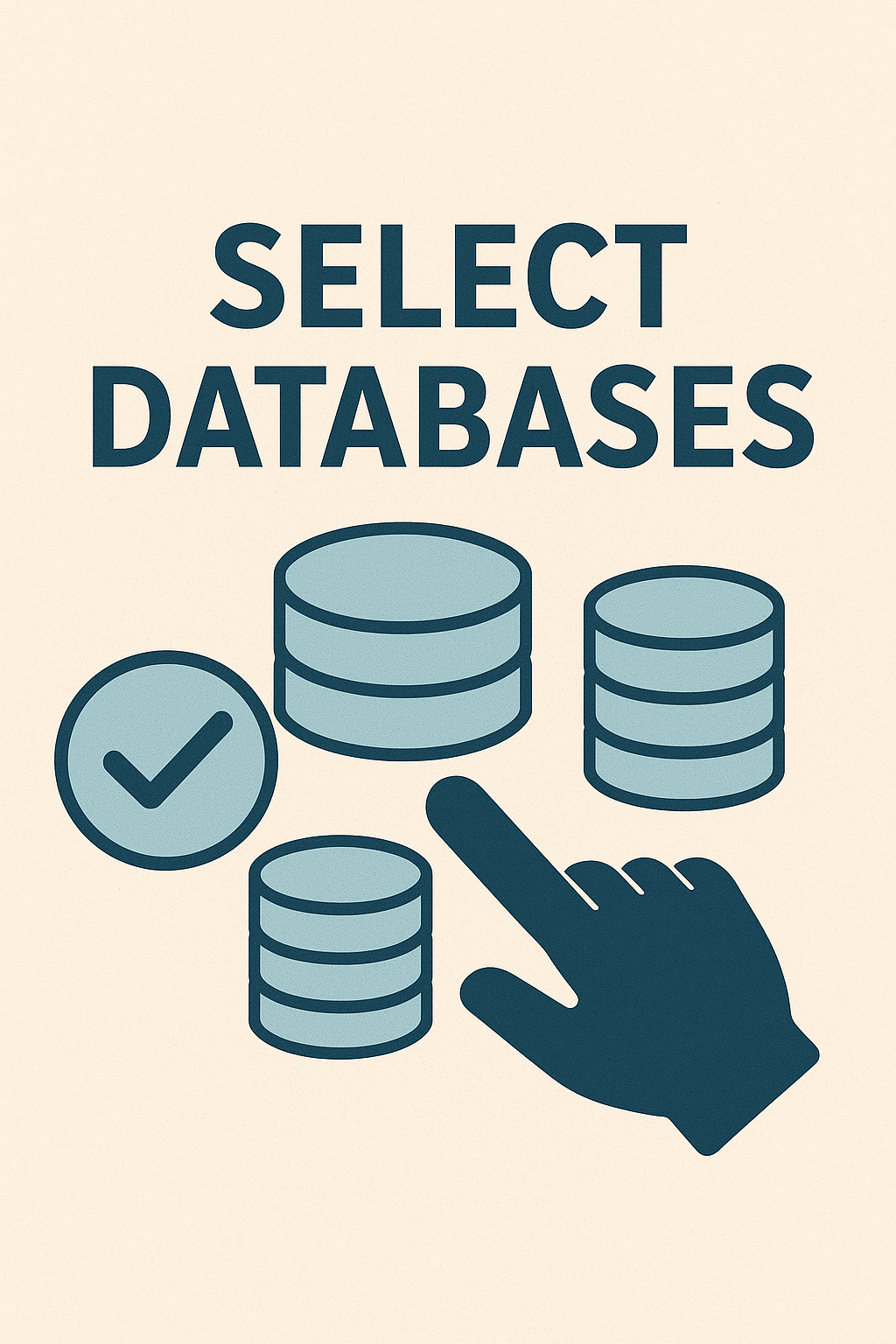
You may choose to use AI tools; however, for a comprehensive literature search and to ensure that you obtain all the relevant references for your research, it is best to use online databases such as Google Scholar, PubMed, or Science Direct. You will need to select your database based on your field of interest, for example, if your field of interest is nursing, you can find relevant articles in CINAHL.
3. Search for references
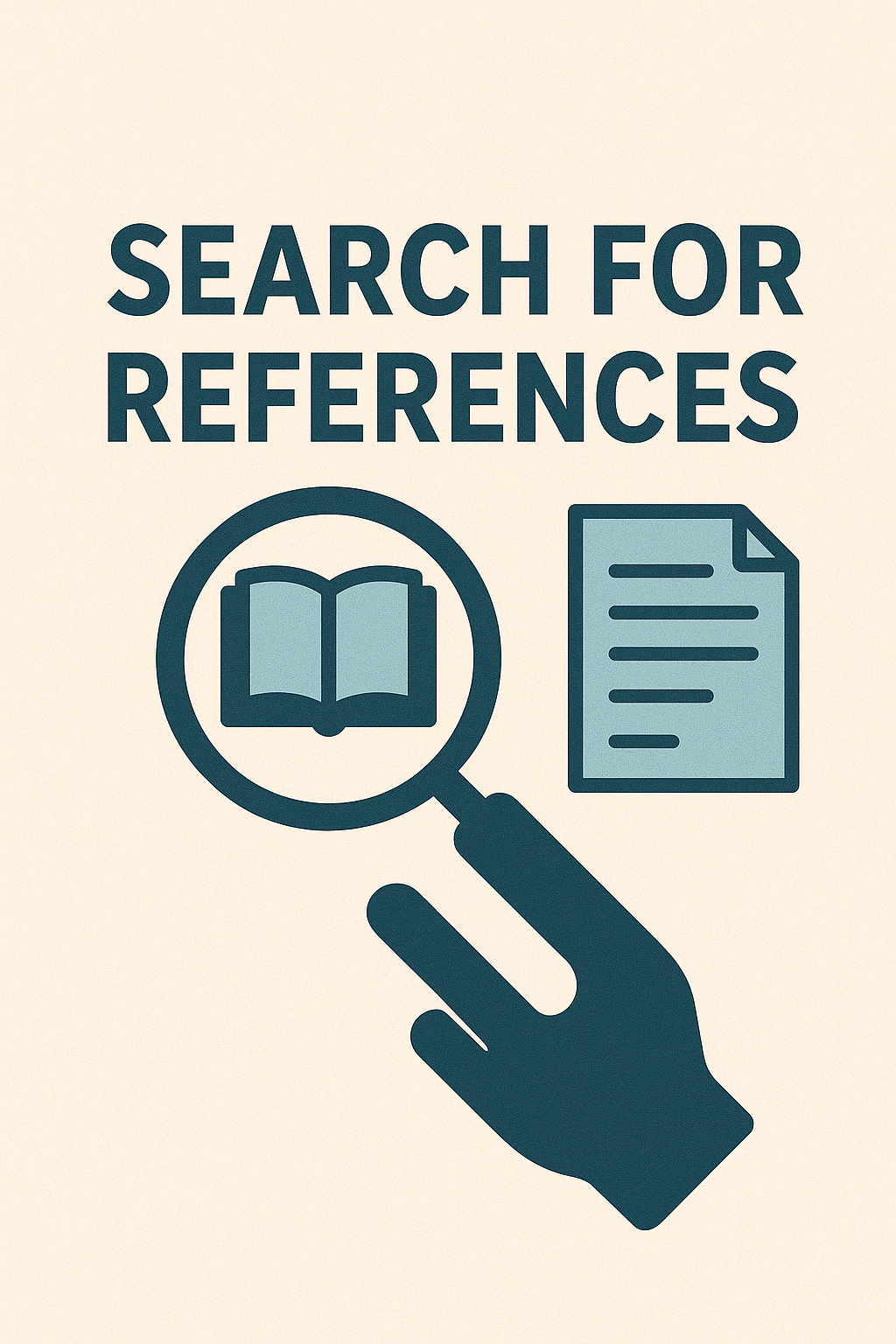
Use your chosen keywords in your selected databases, determine the year range, and search for suitable articles. Many databases have Advanced features to help you narrow-down your search to the most relevant articles. Also, make use of operators such as AND and OR to further refine your search. At this stage, it is best not to apply too many filters as you want as many relevant articles as possible. You can choose to apply a language filter but do not restrict the type of article such as reviews or editorials as these can also provide insights about your topic.
4. Filter the references
Now this is a painstaking process. You will have to open each and every link, go through the title and abstract, and see if it is insightful for your research. If you think that it is, then save them in a reference manager such as EndNote, Mendeley, or Zotero, or simply paste the links in an Excel spreadsheet so that you can check them out later. This will also give you a ready-made reference list for your literature review chapter.
5. Extract information
This is a continuation of the painstaking process where you need to revisit each of the links you saved, go through the articles in greater detail, and extract relevant information related to the objective, methodology, analysis, and findings. It is best to do this in an Excel spreadsheet as it will help you keep all your information organized. You can also reject articles at this stage if you feel that it is not adding anything to your topic of interest. Also, many articles have a paragraph on future studies at the end which can provide some direction to your research.
6. Identify research gaps

Based on the findings of your curated reference list and your own interests, you can identify the research gaps that are relevant to your research journey.